
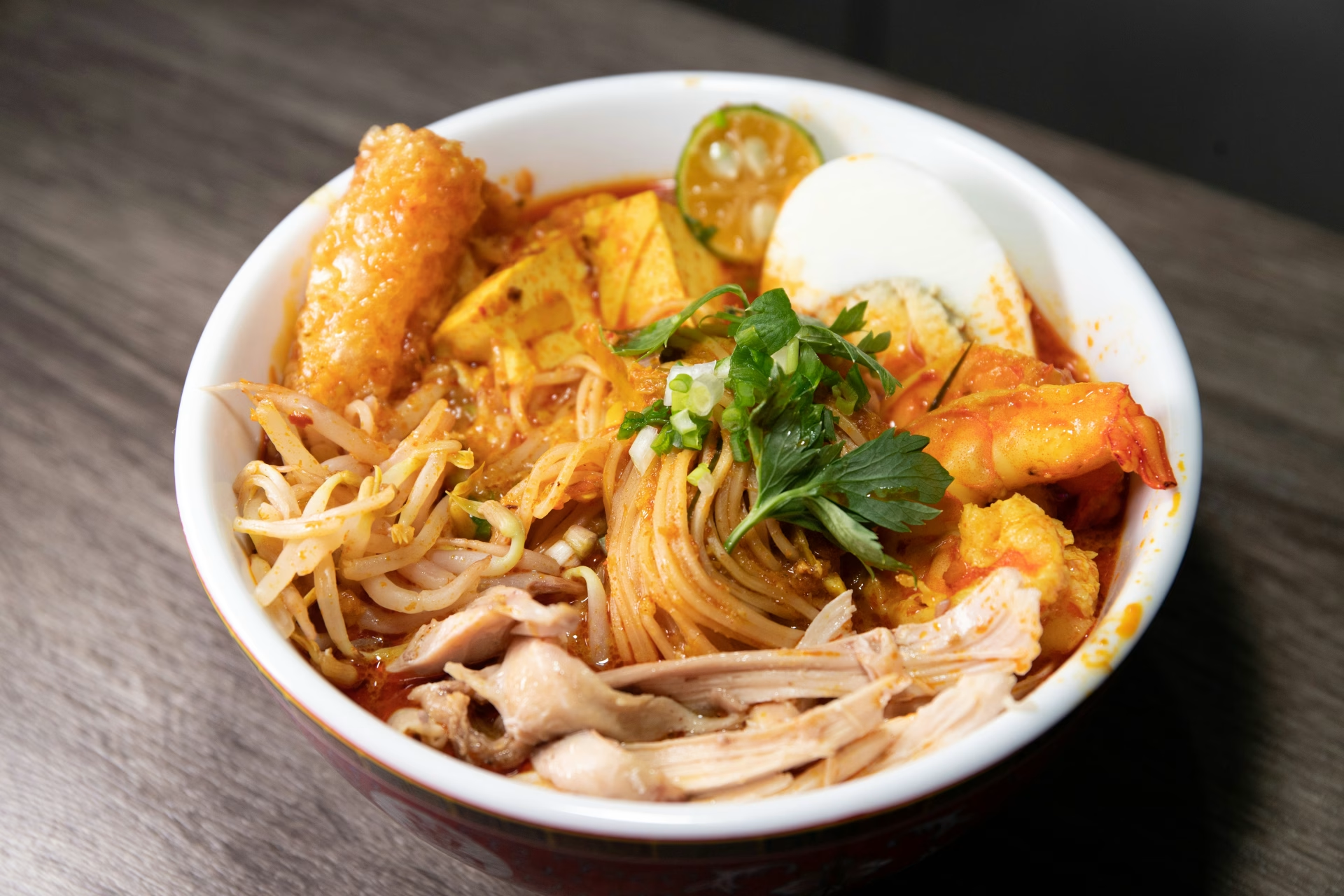
Malaysian Laksa with Chicken is a tantalizing fusion of spicy, sour, creamy, and savory flavors, all steeped into a single soul-warming bowl.
Known for its complex broth made from coconut milk, lemongrass, and chili paste, this version features tender shredded chicken nestled among springy noodles and topped with herbs, egg, and lime. A staple across Malaysia and Singapore, laksa reflects the multicultural heritage of the region, blending Malay, Chinese, and Indian influences. Whether served on the street corner in Penang or in a bustling Kuala Lumpur eatery, laksa has become a symbol of Southeast Asian culinary pride.
Table of Contents
Ingredients
For the Laksa Paste (you can also use store-bought paste as a shortcut):
- 5 dried red chilies (soaked and softened)
- 4 fresh red chilies (seeds removed for milder heat)
- 4 shallots
- 4 cloves garlic
- 1 thumb-sized piece galangal or ginger
- 1 stalk lemongrass (white part only)
- 1 tsp shrimp paste (belacan)
- 1 tsp ground coriander
- 1 tsp turmeric powder
- 2 tbsp oil (for sautéing)
For the Laksa Broth:
- 2 tbsp oil
- Laksa paste (from above)
- 3 cups chicken stock
- 400 ml coconut milk
- 2 cups water
- 1 tsp sugar
- Salt to taste
- 2 boneless chicken breasts or 4 chicken thighs
- 1 tbsp fish sauce (optional)
- Juice of 1 lime
For the Noodles:
- 400g thick rice noodles (laksa noodles or udon)
- Hot water (for soaking or boiling)
Toppings:
- 2 hard-boiled eggs, halved
- Fresh bean sprouts
- Fresh mint leaves
- Fresh cilantro
- Thinly sliced red chili
- Lime wedges
- Fried shallots
- Sambal (optional for extra heat)
Serves
Serves: 4
Prep Time: 25 minutes
Cook Time: 35 minutes
Total Time: 1 hour
Step-by-Step Instructions
Step 1: Prepare the Laksa Paste
- Blend all the paste ingredients in a food processor until smooth. Add a bit of water if needed.
- Heat 2 tbsp oil in a pot over medium heat. Fry the paste until fragrant, about 5–7 minutes.
Step 2: Cook the Broth
- Add chicken stock, coconut milk, and water to the sautéed paste.
- Stir in sugar, fish sauce, and salt. Bring to a simmer.
- Add chicken breasts or thighs and simmer for 15–20 minutes until fully cooked.
- Remove chicken, shred with forks, and return to the broth. Add lime juice and adjust seasoning.
Step 3: Prepare the Noodles
- Soak or boil noodles according to package instructions.
- Drain and divide into serving bowls.
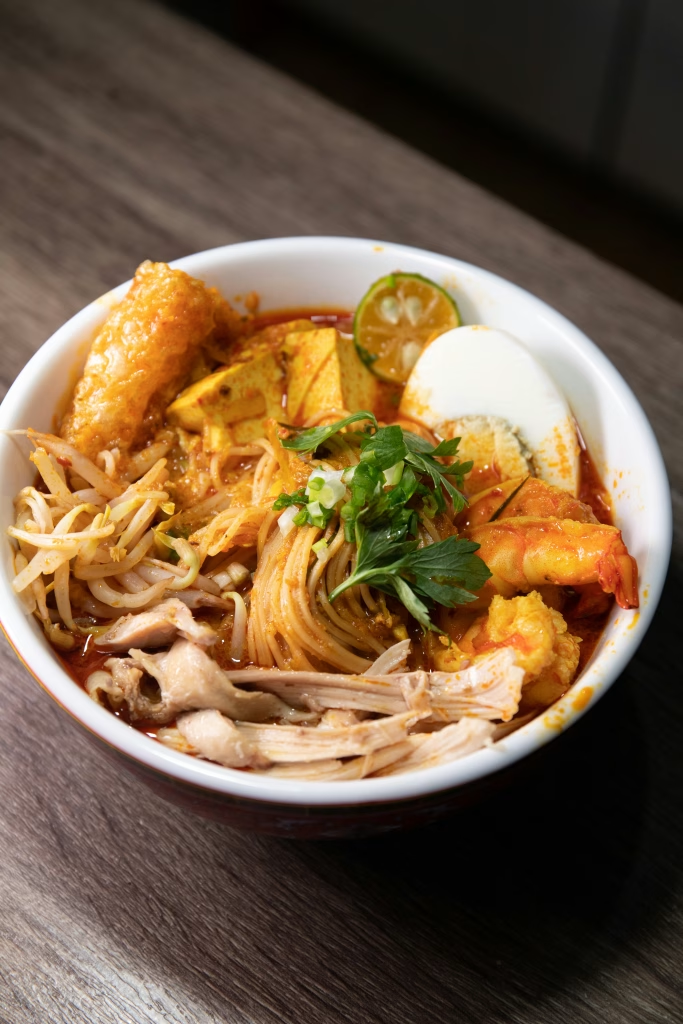
Step 4: Assemble the Laksa
- Top noodles with shredded chicken.
- Pour the hot broth over the top.
- Add halved eggs, bean sprouts, herbs, and fried shallots.
- Serve with lime wedges and extra sambal on the side.
Serving Suggestions
- Complete Meal: Pair with a side of crispy spring rolls or satay skewers.
- With Roti Canai: Soak up the leftover broth with a flaky roti.
- Party-style Laksa Bar: Set up all toppings buffet-style and let guests build their own bowls.
- Cold Beverage Pairing: Serve with iced lime tea or a Thai iced tea to balance the spice.
Tips for Perfect Laksa
- Use Fresh Herbs: Mint, cilantro, and lime add brightness—don’t skip them.
- Fry the Paste Well: This releases the full aroma of spices and chilies.
- Balance the Broth: Taste-test for sweetness, saltiness, and acidity before serving.
- Shred Chicken Fine: This ensures even texture and easier eating with chopsticks or spoon.
- Customize Heat Level: Adjust chilies or serve sambal on the side to cater to all spice levels.
Healthier Alternatives
- Light Coconut Milk: Use reduced-fat coconut milk to cut calories.
- Poached Chicken Breast: Skip frying and use lean chicken poached in broth.
- Vegetarian Laksa: Replace chicken with tofu or tempeh and use vegetable broth.
- Whole-Grain Noodles: Substitute with brown rice noodles or soba for added fiber.
- Low-Sodium Version: Make your own stock and reduce added salt and fish sauce.
Creative Variations
- Seafood Laksa: Use shrimp, squid, and fish balls instead of chicken.
- Laksa Lemak: Add more coconut milk and cream for a richer, thicker broth.
- Laksa Curry Fusion: Mix with curry powder and coconut cream for a bolder flavor.
- Laksa Laksa Mee Rebus Hybrid: Add boiled potatoes and tofu puffs for a twist.
- Instant Laksa Hack: Use store-bought laksa paste with coconut milk and rotisserie chicken for a fast version.
Common Mistakes to Avoid
- Using Cold Noodles: Always warm or rinse with hot water before assembling the bowl.
- Skipping Paste Frying Step: Raw paste flavor will taste flat if not properly cooked.
- Overcooking the Chicken: It should remain juicy—shred as soon as it’s cooked through.
- Too Thin or Too Thick Broth: Aim for a balance—rich and creamy, but not heavy.
- Overloading Toppings: Let the broth and chicken shine—add garnishes in moderation.
History of Malaysian Laksa
1. Laksa’s Cross-Cultural Roots
Laksa is deeply embedded in the rich, multicultural fabric of Malaysian society. The dish originates from the Peranakan (Straits Chinese) community, a fusion culture that blends Chinese and Malay culinary traditions. These communities created laksa by combining Chinese-style noodles and cooking techniques with Malay spices and tropical ingredients like coconut milk and lemongrass. As a result, laksa represents the interweaving of identities, reflecting Malaysia’s historical role as a trade and cultural crossroads.
2. Laksa’s Many Regional Faces
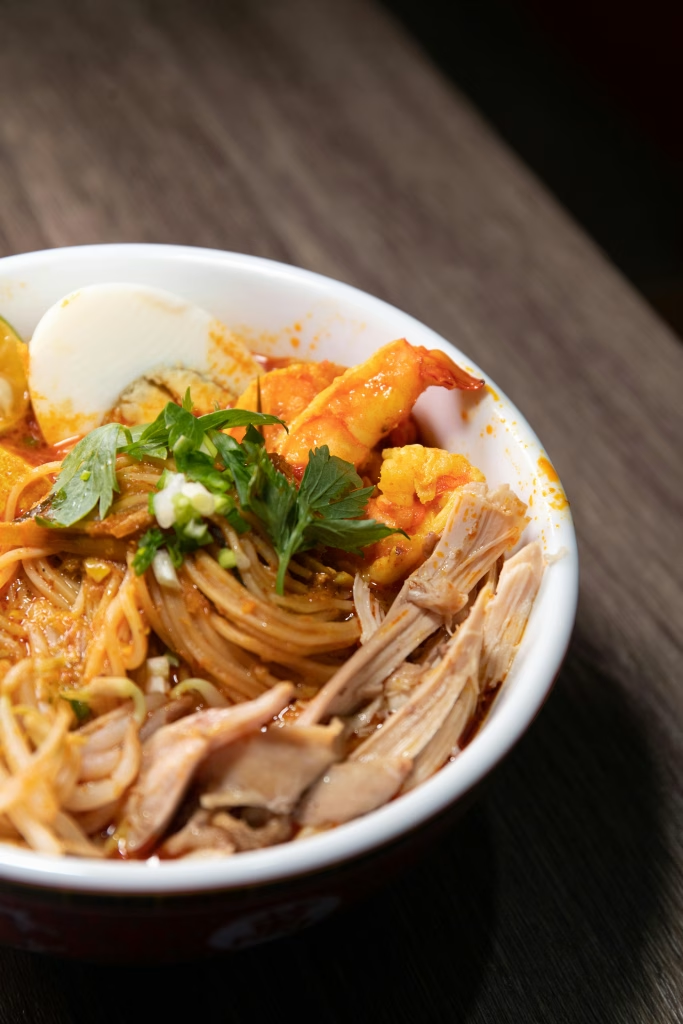
While laksa is a common name, there are many regional versions across Malaysia and Singapore, including Penang Assam Laksa (sour, fish-based), Sarawak Laksa (spiced and shrimp-forward), and Laksa Lemak (creamy coconut-based). The chicken laksa you see today is often inspired by Laksa Lemak, using a creamy broth with moderate spice and optional protein. Each variation has evolved based on local ingredients, preferences, and even colonial influences such as British or Indian flavors.
3. Modern Adaptations and Global Fame
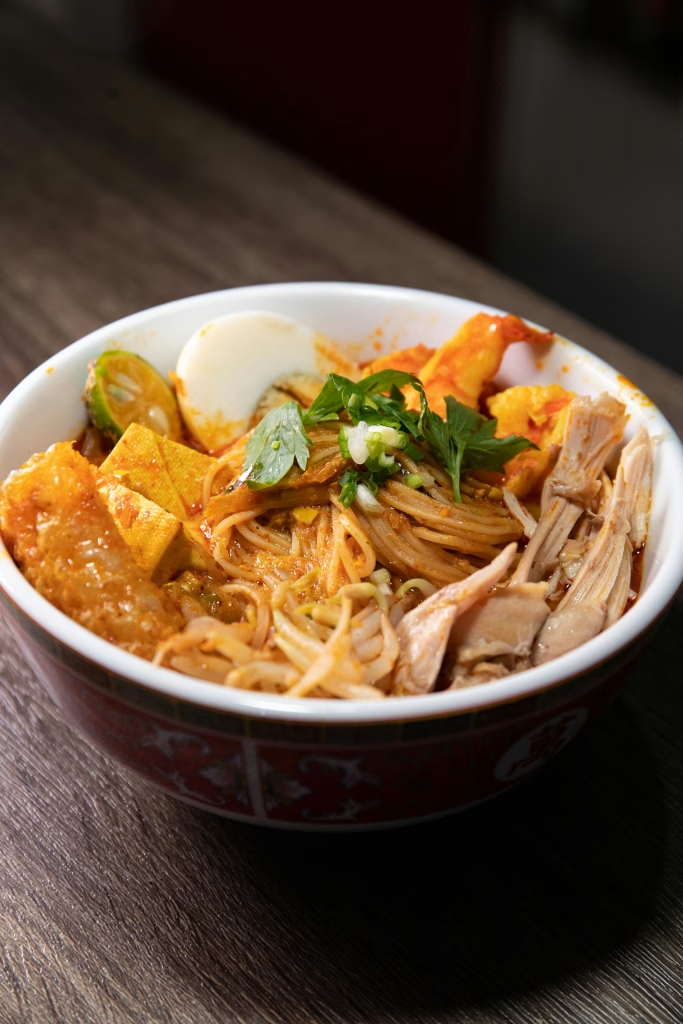
Today, laksa is enjoyed around the world, featured in restaurants from New York to Melbourne. Instant laksa kits have made it even more accessible, while high-end chefs reinterpret it with sous-vide proteins or foamed coconut broths. Still, traditionalists in Malaysia hold tight to original techniques—pounding fresh spices by hand and simmering broth for hours. Whether made for a family dinner or sold at a hawker stall, laksa remains one of Malaysia’s most iconic culinary exports.
FAQs About Malaysian Laksa with Chicken
1. What is laksa?
Laksa is a Southeast Asian noodle soup dish with a spicy and creamy broth, usually made with coconut milk, herbs, and proteins like chicken or seafood.
2. Is Malaysian laksa different from Singapore laksa?
Yes, though they’re similar. Singapore laksa often has a richer coconut flavor, while Malaysian versions vary by region in spice and tang.
3. Can I use store-bought laksa paste?
Absolutely. It saves time and still delivers good flavor. Brands like Ayam or Prima Taste are popular choices.
4. What noodles are best for laksa?
Thick rice noodles or laksa noodles are traditional, but udon or vermicelli can work in a pinch.
5. Is laksa very spicy?
It can be, depending on the chilies used. You can control the spice level by adjusting chili quantity in the paste.
6. Can I freeze leftover laksa?
Freeze only the broth and chicken, not the noodles or garnishes, as they don’t reheat well.
7. What’s a good vegetarian substitute for chicken in laksa?
Tofu, tempeh, or mushrooms are excellent meat-free protein options for laksa.
8. Is coconut milk necessary?
Yes, for the creamy version of laksa. If avoiding coconut milk, try almond cream or oat milk, but flavor will differ.
9. How do I make laksa more sour or tangy?
Add a touch of tamarind paste or squeeze more lime juice just before serving.
10. Can laksa be made ahead of time?
Yes, the broth tastes even better after a few hours or overnight in the fridge. Assemble with fresh noodles when ready to serve.
Malaysian Laksa with Chicken is more than a noodle soup—it’s an explosion of culture, spice, aroma, and comfort. With its creamy coconut broth, fragrant herbs, and tender chicken, laksa brings together the best of Southeast Asian cooking in one vibrant bowl. Whether you’re cooking it from scratch or using a shortcut paste, every spoonful of this dish tells a story of Malaysia’s rich culinary heritage. So grab your chopsticks, slurp up those noodles, and let this spicy, satisfying dish transport you to the bustling streets of Kuala Lumpur.